
Happy Birthday, Kantha Bopha II

Fluttering flags, a festive atmosphere, and an impressive procession down the red carpet. When the Kantha Bopha II Children’s Hospital was inaugurated on October 12, 1996, everyone of note was in attendance. Founder and builder Dr. Beat Richner accompanied His Majesty King Norodom Sihanouk to the ceremony, flanked by then-Federal President Jean-Pascal Delamuraz and an entourage of security officials, government representatives, and business leaders from Cambodia and Switzerland.
Just a few meters away lay the tomb of the king’s favorite daughter. Kantha Bopha – “Fragrant Flower” – died of leukemia in 1952 at the age of four. In her memory, King Sihanouk had the first Kantha Bopha Children’s Hospital built in Phnom Penh in 1962. He told Federal President Delamuraz this personally and finally added, visibly moved: “But now my daughter lives on. For very close to her stupa, in the new children’s hospital, the lives of many other Kantha Bophas can be saved.”

Building an extension next to the existing hospital was not possible due to a lack of space. So King Sihanouk made a plot of land available on the grounds of his palace. The only condition: The hospital had to blend in architecturally with its surroundings. Architects Rolf Grossenbacher and Ueli Salzmann from Oberburg, Bern, took on this challenge and designed a wonderful building that was completed after just eleven months of construction. “I’m not exaggerating when I say that the result is the most beautiful and least expensive children’s hospital in the world,” said Beat Richner at the time of the opening.
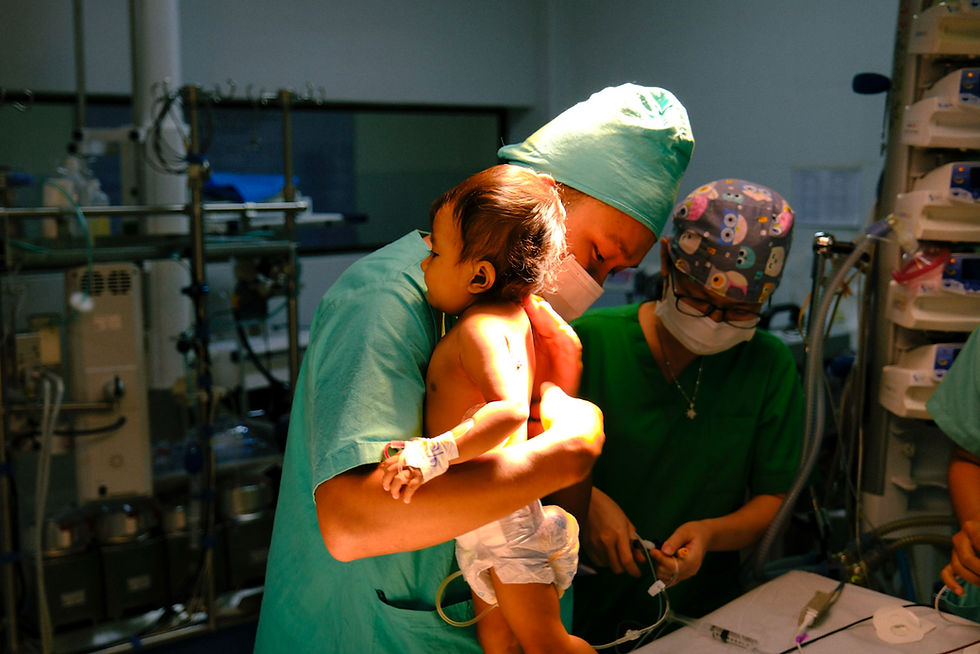
To mark the 30th anniversary, a small celebration was held with the staff, patients, and their families. Philip Robinson, president of the foundation’s board of trustees, was in attendance; he addressed those present and, together with the hospital administration, distributed small meal packages to parents and children.


Me gusta cómo el tema del Número de la suerte combina curiosidad, tradición y significado personal. Leer distintas interpretaciones puede resultar interesante para muchas personas. Además, un contenido responsable ayuda a comprender que estas ideas forman parte de las creencias populares y no predicen con certeza los resultados de la lotería.